Tech
Elon Musk goes to war with the almighty Apple


Eva Deschamps / November 29, 2022





The advent of nanotechnology has ushered in a new era of scientific and technological advancements, promising unprecedented capabilities in various fields, including medicine, materials science, and information technology. Among the most transformative applications of nanotechnology are brain-computer interfaces (BCIs), which hold the potential to revolutionize how we interact with technology and understand the human brain. However, as these technologies advance, they bring forth a myriad of legal and ethical dilemmas that challenge our existing frameworks and demand thoughtful consideration of new human rights.
Brain-computer interfaces represent a convergence of neuroscience, computer science, and nanotechnology. These systems enable direct communication between the brain and external devices, bypassing traditional pathways of sensory input and motor output. BCIs can be invasive, involving the implantation of electrodes or nanoscale sensors into the brain, or non-invasive, using external sensors to detect and interpret brain signals. The potential applications of BCIs are vast, ranging from restoring sensory and motor functions in individuals with disabilities to enhancing cognitive abilities and enabling novel forms of human-computer interaction.
However, the integration of BCIs into society raises profound ethical and legal questions, particularly concerning thought privacy, cognitive enhancement inequality, and the need for new human rights frameworks. As BCIs become more sophisticated and widespread, it is crucial to address these challenges proactively to ensure that the benefits of these technologies are realized responsibly and equitably.
One of the most pressing concerns surrounding BCIs is the issue of thought privacy. As these interfaces gain the ability to decode and interpret brain signals with increasing accuracy, the potential for unauthorized access to an individual’s thoughts and memories becomes a real and troubling possibility. The notion of thought privacy extends beyond traditional concepts of privacy, as it involves the protection of the most intimate and personal aspects of an individual’s cognitive processes. The potential misuse of BCIs for surveillance, manipulation, or exploitation poses a significant threat to individual autonomy and dignity.
To safeguard thought privacy, it is essential to establish robust legal and ethical frameworks that protect individuals from unauthorized access to their neural data. This may involve the development of new legal protections, such as the right to cognitive liberty, which recognizes the sanctity of an individual’s mental processes and establishes guidelines for the ethical use of BCIs. Additionally, technological safeguards, such as encryption and access controls, must be integrated into the design of BCIs to prevent unauthorized access and ensure the security of neural data.
The potential for cognitive enhancement through BCIs also raises important ethical considerations, particularly concerning equality and access. As these technologies advance, they may offer individuals the opportunity to enhance their cognitive abilities, such as memory, attention, and problem-solving skills. However, the distribution of these enhancements is likely to be unequal, with access initially limited to those with the financial means or technological literacy to adopt them. This disparity could exacerbate existing social and economic inequalities, creating a cognitive divide between those who can afford enhancement and those who cannot.
To address the issue of cognitive enhancement inequality, it is crucial to promote equitable access to BCI technologies. This may involve public investment in research and development, as well as policies that ensure affordable access to these technologies for all individuals, regardless of their socioeconomic status. Additionally, ethical guidelines must be established to govern the use of cognitive enhancements, ensuring that they are employed responsibly and do not contribute to further marginalization or discrimination.
The emergence of BCIs also necessitates a reevaluation of existing human rights frameworks and the development of new protections tailored to the unique challenges posed by these technologies. Traditional human rights, such as the right to privacy, bodily integrity, and non-discrimination, must be adapted and expanded to encompass the novel ethical considerations arising from the use of BCIs. This may involve the recognition of new rights, such as the right to cognitive liberty and the right to mental integrity, which acknowledge the importance of protecting an individual’s cognitive processes and neural data.
The development of new human rights frameworks for BCIs will require a collaborative effort involving policymakers, ethicists, scientists, and the public. It is essential to engage in open and inclusive dialogues that consider the diverse perspectives and values at stake, ensuring that the resulting frameworks are comprehensive, equitable, and responsive to the evolving landscape of BCI technologies.
Moreover, the ethical implications of BCIs extend beyond individual rights to encompass broader societal considerations. The integration of these technologies into various aspects of life, from healthcare to education to the workplace, will have far-reaching consequences for social structures, cultural norms, and economic systems. It is crucial to anticipate and address these implications proactively, ensuring that the benefits of BCIs are realized to promote the well-being of all individuals and the cohesion of society as a whole.
The advancement of nanotechnology and the development of brain-computer interfaces present both extraordinary opportunities and significant ethical and legal challenges. As these technologies continue to evolve, addressing the issues of thought privacy, cognitive enhancement inequality, and the need for new human rights frameworks is imperative. By engaging in thoughtful and inclusive dialogues, establishing robust legal and ethical guidelines, and promoting equitable access to these technologies, we can harness the potential of BCIs to enhance human capabilities and improve the quality of life for all individuals. The responsible integration of BCIs into society will require a collective commitment to upholding the principles of autonomy, dignity, and equality, ensuring that the benefits of these transformative technologies are realized in a manner that respects and protects the rights of all individuals.
—
Maher Asaad Baker
ماهر أسعد بكر
https://maher.solav.me
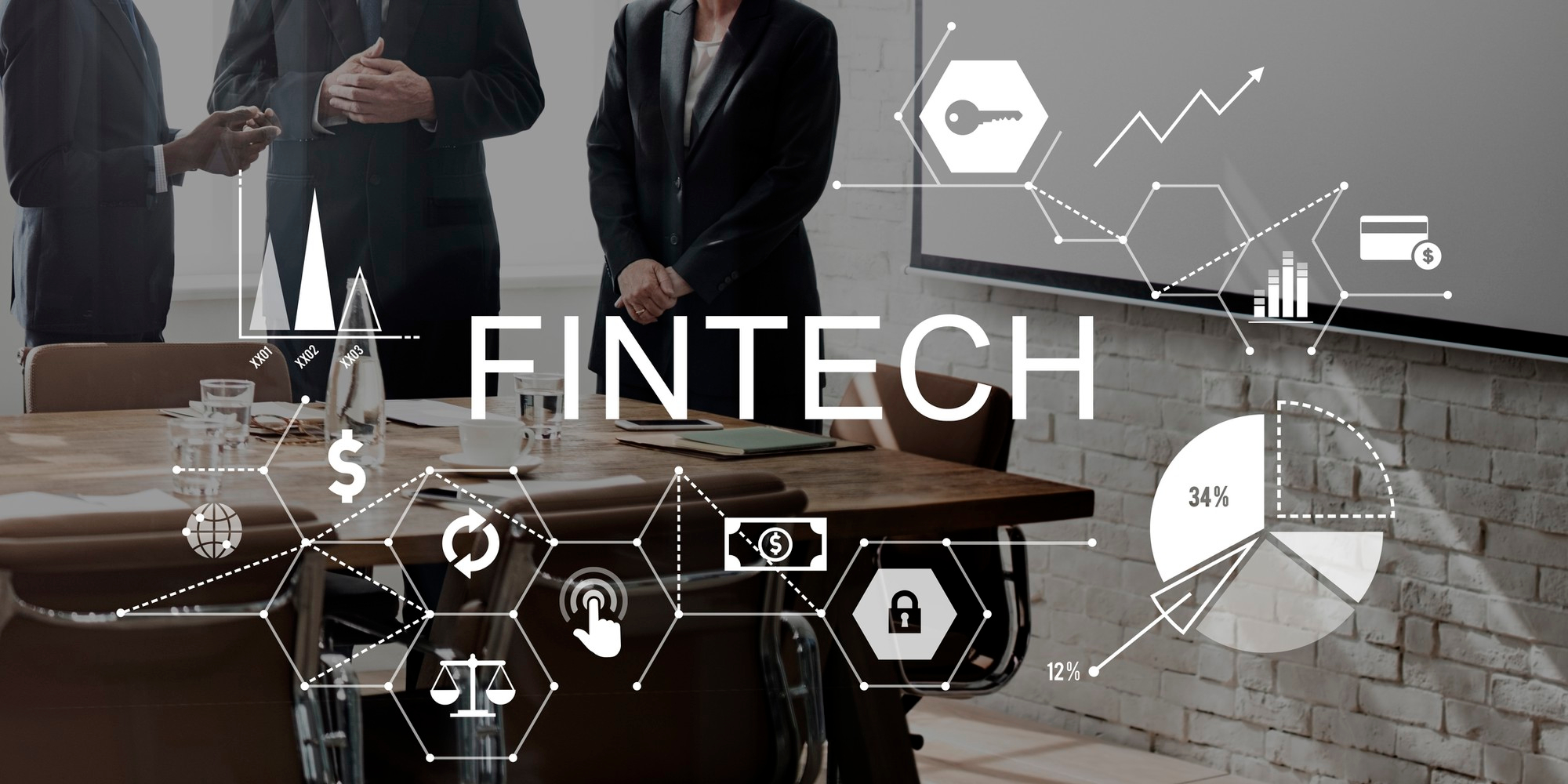
Current market projections show the global FinTech market will surpass $324 billion by 2025 due to substantial changes in monetary human interactions and business transactions. The former niche disruptor industry has evolved into an essential financial infrastructure that uses rapid and enormous power to transform across banking payments and investment sectors. These novel solutions powered by AI and decentralized apps enable broader financial participation to rip roads in front of established financial groups to seek acceptance or fall into termination. The evolution goes beyond technology because it changes societal ground rules for financial inclusion, payment security, and business efficiency. The FinTech revolution blurs financial sector boundaries to transform traditional saving habits, spending methods, and financial investments in our growing digital economy.
Since its inception with credit cards and ATMs in the 1950s the rapid expansion of FinTech began in the 2010s through mobile banking and blockchain technology. Bitcoin initiated its blockchain journey in 2009 while Europe enforced Open Banking norms in 2018 alongside the digital payment boom in COVID-19, making this FinTech ecosystem possible. By 2025, FinTech has matured beyond startups: The partnership between traditional banking institutions and swift startup firms exists as established banks join forces with agile innovators alongside quantum computing and decentralized finance (DeFi) transforming financial possibilities. The initial disruptive nature of FinTech has solidified into everyday practice because 89% of worldwide consumers now use these financial solutions every day to sustain modern finance systems.
Digital-only neobanks like Revolut and Chime now serve over 500 million users globally, offering fee-free accounts, instant loans, and budgeting tools tailored to mobile-first generations. While their agility and customer-centric models attract users, challenges persist—regulatory scrutiny, profitability pressures, and cybersecurity risks loom large. Open Banking amplifies this shift, mandating data sharing between institutions via APIs. This transparency has birthed hyper-personalized services, from real-time credit scoring to automated savings apps, forcing traditional banks to modernize or lose relevance. AI sits at the core of this evolution: machine learning algorithms now predict cash flow needs, customize mortgage offers, and detect fraud with 98% accuracy, slashing losses from identity theft.
In payments, mobile wallets like Alipay and Apple Pay dominate, processing 60% of global transactions as cash fades into obsolescence. Blockchain underpins this shift, enabling cross-border transfers at a fraction of traditional costs and time. Cryptocurrencies, once volatile novelties, have stabilized through asset-backed tokens and central bank digital currencies (CBDCs), with 23 nations piloting state-issued digital money. Real-time payment systems—such as India’s UPI and the EU’s TIPS—process $50 trillion annually, empowering businesses and consumers with instant settlements. These advancements aren’t merely convenient; they’re bridging gaps for the 1.4 billion unbanked adults, particularly in emerging markets where mobile penetration outpaces brick-and-mortar banking.
Investment landscapes have similarly transformed. Robo-advisors like Betterment manage $1.5 trillion in assets, using algorithms to optimize portfolios for fees 80% lower than human advisors. Crowdfunding platforms democratize access to capital, enabling small investors to back startups or social causes, while peer-to-peer lending bypasses banks entirely, offering competitive returns through platforms like Funding Circle. AI’s role here is pivotal: predictive analytics forecast market trends with uncanny precision, and sentiment analysis tools parse news and social media to guide decisions. These tools aren’t replacing human judgment but enhancing it, allowing both novices and experts to navigate volatile markets with data-driven confidence.
Regulators grapple with balancing innovation and risk. The EU’s MiCA framework aims to standardize crypto oversight, while Singapore’s sandbox model fosters experimentation under controlled conditions. Collaboration is key—Goldman Sachs’ acquisition of robo-advisor Nutmeg and JPMorgan’s blockchain network Onyx exemplify how incumbents and startups are merging strengths. Yet challenges remain: data privacy concerns, algorithmic bias, and the environmental impact of energy-intensive technologies like proof-of-work blockchains demand urgent attention. Looking ahead, FinTech’s trajectory points toward embedded finance—seamless integration of services into non-financial apps—and AI agents managing entire financial lives autonomously. Quantum-resistant encryption and ethical AI governance will dominate discussions, ensuring the revolution benefits all, not just the tech-savvy. As money becomes code and code becomes money, the FinTech era is just beginning.
—
Maher Asaad Baker
ماهر أسعد بكر
https://maher.solav.me

The world the last few years has experienced a sharp rise in the cases of cybercrimes. Only a few weeks have passed when users of one of the largest technology companies in the world became victims of an Orwellian-scale data leak. These attacks become broader and more extensive as cyber criminals target our digital assets with higher levels of dexterity. But there is light at the end of the tunnel. Cyber security threats have become more complex in recent years and with the emergence of AI, industry could receive new approaches to face such threats. The purpose of this article is to identify the possible positive effects that AI applications can bring to cybersecurity and the controversies it can be associated with at the same time.
For many years, everyone thought that their cyberspace was safe or, at least, safe enough because, in the early days and months of using the internet, viruses and other cyber threats were uncomplicated. Hackers would engage in simple tactics to take advantage of flaws in software, penetrate the security of an organization’s networks and steal the company’s data. Although these threats have not disappeared they are not dominant anymore due to new forms of attacks that have appeared in recent years.
One example of APTs is sophisticated, long-term, highly professional, and well-funded intrusions by an organized group of attackers with the goal of exploiting a company’s value for an extended period of time. Another of the new trends is ransomware attacks, the essence of which is the encryption of the files of the victims and the receipt of money for the decryption of the files. Phishing emails and business email compromise scams are common examples of social engineering attacks that rely on people’s weaknesses to obtain confidential information or authorization to secure networks.
Modern threats have surged which is why simple approaches to data protection do not work anymore and traditional security technologies cannot cope with new challenges. The most stringent safety measures such as firewalls, antivirus and IDS can only partially assist in the identification of such attacks. This has created the need for new solutions which can, recognize threats and act promptly.
AI technology is most favourable as a solution to the continually emerging nature of cyber threats. It is hence possible for an organization to reduce the risk of cyber threats by employing the use of natural language processing combined with machine learning and behavioural analytics to detect, handle and even predict threats, unlike the regular security measures that are in the market today.
AI in cybersecurity has several categories with one of them being threat identification. Suppose, based on enormous amounts of data collected from the network and systems traffic, user interactions with websites, or system logs, machine learning algorithms can detect patterns of activity and deviations that may mean a security threat. Such algorithms can be taught to identify particular attributes associated with compromise for example known viruses or perhaps certain IP addresses to alert security personnel.
One of the most common methods employed by cyber attackers is phishing emails and natural language processing can be used to find such emails. AI can also analyze the contents of emails they can detect words and phrases and more important links or attachments that might be the telltale signs of a phishing email.
With the help of behavioural analytics, one can recognize such deviations in the user’s actions that would signal an incident. For example, AI technology can watch how the users handle their computers and alert security if any of them transmits online data in larger volumes or logins into certain systems during odd times.
AI can also be used in the response to a possible threat as soon as it has been identified. Automated incident response systems are capable of reactive actions or measures that can be implemented upon recognition of an incident and these measures may include system isolation, blocking of IP addresses conducting the threats or revoking the users’ access in order to contain the threat.
Another advantage of using AI in threat hunting and threat investigation is the better speed and effectiveness of identifying and analyzing threats. With the help of machine learning algorithms and machine, security professionals can assign more attention and spend more time working on the most significant threats.
However, apart from threat detection and response to incidents, AI can also improve all operational security in an organization. Integrated SIEM systems with AI systems can analyze big data from various sources giving real-time information relating to an organization’s security status and can help discover threats faster.
Automated vulnerability scanning and vulnerability management with the application of artificial intelligence can effectively let organizations focus on the most susceptible gaps in the systems used, and prevent cyber criminals from finding the weak spots in the IT network. With the help of machine learning algorithms, organizations will be able to rate every vulnerability on the scale of affectation and probability and target the most critical threats.
There is a clear potential for benefits in applying AI for cybersecurity, but there are also risks, and ethical issues to be stepped around. One such issue is privacy since the collection and processing of large amounts of data is a source of privacy risks. Threat intelligence in AI systems mostly depends on gathering and analyzing large volumes of data to identify threats. However, this may pose certain issues to the privacy and security of the information that is shared.
Another emphasis is that AI systems can be prejudiced or act unfairly or discriminatively. For instance, an algorithm such as machine learning is capable of being coded in a particular way, and the data it uses, including biased data. This might cause the AI systems to deliver a decision or a recommendation that is prejudiced against a specific person or even a particular community.
Last but not least, it is important to understand that AI is not a substitute for human knowledge in securing cyberspace. Despite the fact that AI effectively contributes to and reinforces the tasks of a security worker and provides valuable assistance, it is impossible to achieve mankind’s ability to think creatively, solve problems, and make judgments. As artificial intelligence continues to evolve and proliferate in cybersecurity environments, cybersecurity professionals will invariably need to remain involved in the creation and deployment of security systems that utilize artificial intelligence as well as dealing with consequences stemming from cyber attacks.
In the following paper, the importance of the integration of AI in cybersecurity will be described as a revolutionary tool which provides efficient solutions to modern threats. AI systems are designed using machine learning, natural language processing, and behavioural analytics and can thus recognize, act on, and even predict cyber threats than conventional security solutions. But there is a cry that needs to be made about the potential and problems AI in cybersecurity that organizations should heed: data privacy issues; AI bias; and the enduring significance of cybersecurity professionals.
In the future, there is a need for organizations to understand that implementing AI into cybersecurity can have its advantages and disadvantages. Therefore, it is possible to implement artificial intelligence into the sphere of cybersecurity without having negative consequences and deepening the vulnerability of systems, by following the rule of innovativeness with responsibility and constant human supervision over the actions of artificial intelligence.
—
Maher Asaad Baker
ماهر أسعد بكر
https://maher.solav.me
Community Mourns the Passing of Satoshi Mori: A Legacy of Integrity, Resilience, and Hard Work

Full-Scale Escalation in the Middle East: Washington and Israel Launch Operation “Epic Fury” Against Iran